
How AI Is Transforming the Power Sector in India
- Staff Desk
- 2 hours ago
- 4 min read

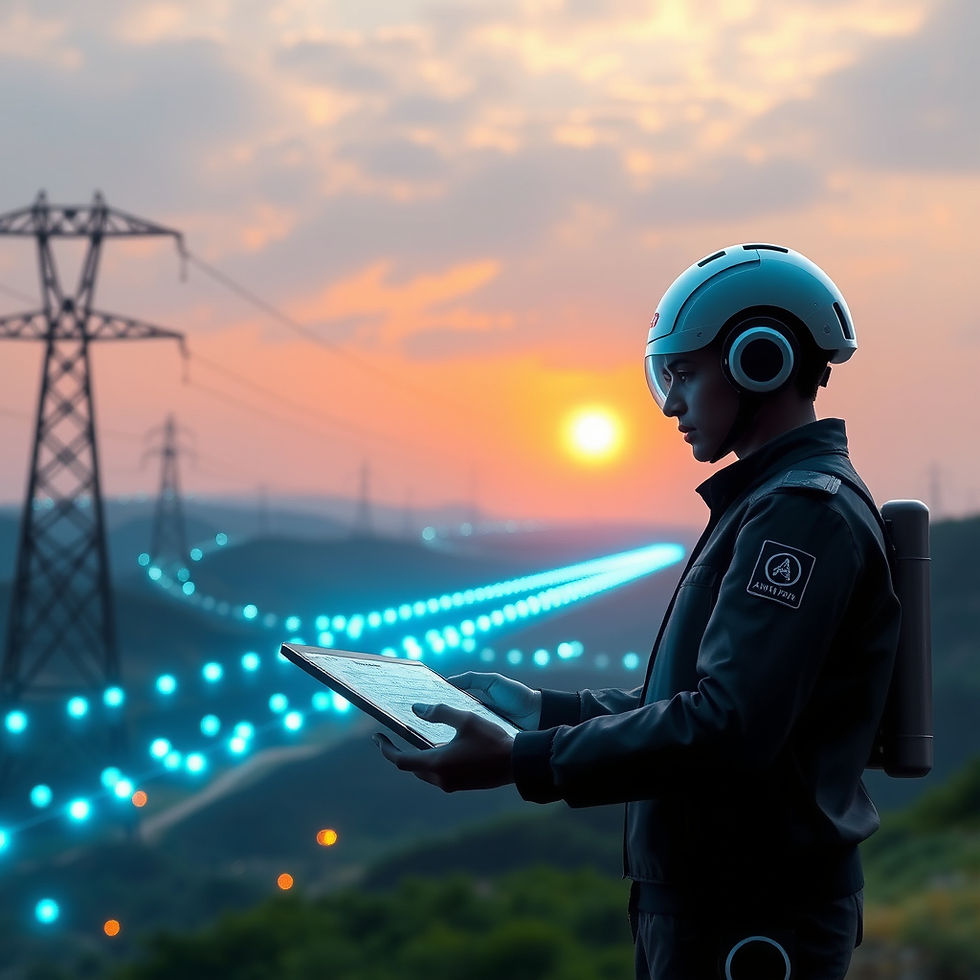
India’s electricity sector is undergoing a massive transformation driven by rising demand, urbanization, and the shift toward renewable energy. Over the past decade, electricity consumption has grown at a steady rate of around 5% annually, with per capita usage increasing from nearly 1,000 kWh to around 1,400 kWh. This growth reflects improving living standards, expanding industries, and increasing electrification across rural and urban regions
At the same time, artificial intelligence is emerging as a powerful tool to manage this complexity. As power demand increases and the energy mix becomes more dynamic, AI is playing a critical role in improving efficiency, reducing losses, and enabling smarter decision-making across the electricity ecosystem.
India’s economic growth is closely linked to its electricity consumption. Rapid urbanization, digital transformation, and infrastructure development are driving increased demand for power. Initiatives aimed at providing reliable electricity to every household have significantly boosted consumption levels across the country.
Additionally, the transition toward electric mobility is further increasing electricity demand. As more consumers shift from internal combustion engine vehicles to electric vehicles, the pressure on power infrastructure continues to rise. This growing demand requires smarter systems to manage supply efficiently and ensure uninterrupted power delivery.
Changing Energy Mix: The Rise of Renewables
India’s energy mix is evolving rapidly, with renewable energy sources such as solar and wind gaining a significant share. Currently, around 45% of installed capacity comes from renewable and hydro sources, marking a major shift from traditional coal-based generation.
While this transition supports sustainability and energy independence, it also introduces challenges. Renewable energy sources are intermittent and variable, making it difficult to maintain a stable supply. AI can help address these challenges by optimizing energy distribution and forecasting demand more accurately, ensuring a balanced and reliable grid.
Why AI Is Critical for Modern Power Grids
Artificial intelligence is becoming essential for managing the complexities of modern power systems. Several key factors are driving its adoption:
Rising Demand: Increasing electricity consumption requires smarter load management and forecasting.
Geopolitical Factors: Countries are competing to attract AI-driven industries, which require high energy and water resources.
Distributed Energy Resources: Consumers are becoming producers through rooftop solar and decentralized generation.
Aging Infrastructure: Existing grid systems were not designed for bidirectional energy flow.
Operational Efficiency: Utilities need faster and more accurate decision-making tools.
AI helps address these challenges by analyzing large datasets, predicting demand patterns, and optimizing energy distribution in real time.
AI Use Case 1: Smart Grid Inspections with Drones
One of the most impactful applications of AI in the power sector is infrastructure inspection using drones. Traditional inspection methods, such as manual surveys or helicopter patrols, are expensive and time-consuming.
AI-powered drones can capture high-resolution images of transmission lines and distribution networks, identifying issues such as cracks in insulators, faulty connections, and potential failures. These systems can reduce inspection costs by up to 50% and improve accuracy significantly.
Additionally, AI-driven inspections help reduce hazardous manual work and enable faster detection of faults, improving overall grid reliability.
Use Case 2: Renewable Energy Asset Management
Managing solar and wind farms efficiently is critical for meeting energy commitments. AI plays a key role in monitoring and maintaining these assets.
For example, AI-powered imaging systems can detect hotspots in solar panels, which may result from manufacturing defects or environmental factors. Early detection allows for timely maintenance, preventing performance losses.
Similarly, AI can analyze wind turbine performance, identifying structural issues such as blade cracks. These insights help operators reduce downtime and improve overall efficiency.
Use Case 3: Smart Meter Data Analytics
India’s ambitious plan to deploy 250 million smart meters is generating massive amounts of data. AI is essential for analyzing this data and extracting actionable insights.
AI systems can detect anomalies such as electricity theft, tariff misuse, and unusual consumption patterns. By identifying these issues early, utilities can reduce losses and improve revenue collection.
Additionally, AI can provide detailed insights into household energy usage, helping consumers optimize their consumption and reduce bills.
Use Case 4: Predictive Maintenance of Transformers
Transformers are critical components of the power distribution network. AI can monitor their performance and predict potential failures before they occur.
By analyzing parameters such as temperature, load, and operational patterns, AI systems can identify risks and trigger preventive actions. This reduces downtime, improves reliability, and minimizes maintenance costs.
Use Case 5: Customer Engagement and Energy Optimization
AI is also transforming how utilities interact with customers. Instead of reactive communication, utilities can now engage proactively using AI-driven insights.
For example, AI can send alerts about high electricity usage, provide tips for reducing consumption, and recommend energy-efficient appliances. Utilities can also identify customers with high energy demand and suggest solutions such as rooftop solar installations or EV charging options.
This improves customer satisfaction while promoting energy efficiency and sustainability.
Use Case 6: Cost Optimization for Utilities
Power procurement is one of the largest expenses for utilities. AI helps optimize procurement strategies by analyzing demand forecasts and market conditions.
With better insights, utilities can make informed decisions about when and where to purchase electricity, reducing costs and improving profitability. This capability is particularly important in a competitive and evolving energy market.
Challenges in AI Adoption in the Power Sector
Despite its benefits, implementing AI in the power sector comes with challenges:
Outdated Infrastructure: Legacy systems limit real-time data collection and integration.
Skill Shortage: There is a need for trained AI and cybersecurity professionals.
Regulatory Constraints: Policies and standards need to evolve to support AI adoption.
Addressing these challenges will be crucial for unlocking the full potential of AI in the energy sector.
The Future of AI in India’s Energy Ecosystem
The future of India’s power sector will be shaped by the integration of AI with renewable energy, smart grids, and digital infrastructure. AI will enable more efficient energy management, reduce losses, and support the transition toward a sustainable energy system.
As demand continues to grow, the role of AI will become even more critical in ensuring reliable, affordable, and clean electricity for all.
Conclusion
Artificial intelligence is transforming the power sector in India by enabling smarter, more efficient, and more sustainable energy systems. From grid inspections and renewable energy management to customer engagement and cost optimization, AI is driving innovation across the entire value chain.
As India continues its growth journey, the integration of AI into the electricity sector will play a key role in meeting rising demand, improving efficiency, and achieving long-term sustainability goals.


Comments