
How AI Song Generators Are Transforming Creative Workflows in 2026?

Introduction
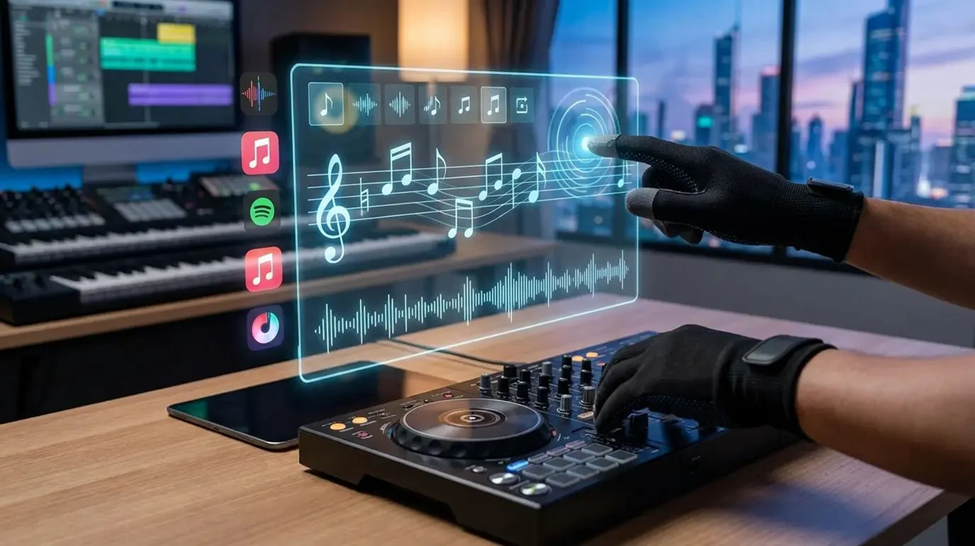
Artificial intelligence is rapidly reshaping how digital content is created. From writing and design to audio production, AI tools are becoming part of everyday workflows. One of the most interesting developments is the rise of AI music tools, especially AI song generators, which allow users to turn simple ideas into complete musical tracks in minutes. But how exactly are these tools like Songin.ai changing creative industries? And what does it mean for creators, developers, and AI platforms like Synlabs?

What is an AI song generator?
An AI song generator is a tool that uses machine learning models to convert text prompts, lyrics, or mood descriptions into fully produced music tracks. These systems typically handle:
Melody composition
Instrument arrangement
Vocal synthesis
Audio structuring
In simple terms, users provide an idea, and the AI generates a complete song.
Some platforms such as an AI song generator demonstrate how quickly this technology is evolving, allowing even non-musicians to experiment with music production.
Why are AI song generators becoming popular?
There are three major reasons:
Speed
Traditional music production can take days or weeks. AI reduces this to minutes.
Accessibility
No need for deep knowledge of music theory or production software.
Experimentation
Creators can quickly test different styles, moods, and arrangements.
This makes AI especially valuable in fast-moving digital environments where content volume matters.
How do AI song generators change creative workflows?
Instead of replacing creativity, AI is compressing the early stages of production.
A typical workflow today looks like:
Idea → AI draft → refinement → final production
This allows creators to focus more on direction and storytelling rather than technical execution.
For example, some creators use tools like a Songin.ai to quickly turn lyrics or concepts into demo tracks before moving into full production.
This shift is particularly important for independent creators and startups working in content-heavy environments.
Are AI-generated songs good enough for professional use?
It depends on the use case.
AI-generated music is often strong in:
Idea generation
Background music
Draft compositions
However, human refinement is still essential for:
Emotional depth
Brand-specific sound
Final mastering quality
In most professional workflows, AI acts as a co-creator rather than a replacement.
Will AI replace human musicians?
Most experts agree the answer is no.
Instead, AI is:
Accelerating production
Lowering entry barriers
Expanding creative possibilities
Human creativity remains essential for originality, storytelling, and emotional connection.
Conclusion
AI song generators are not just a novelty—they are becoming part of a broader shift in how creative work is produced. They help users move from idea to execution faster, while still relying on human input for direction and refinement. As AI continues to evolve, tools in this space will likely become even more integrated into creative ecosystems, from independent creators to platforms like Synlabs exploring the future of intelligent systems.


Comments