
Why Businesses Are Investing in Metal Building Construction: 5 Smart Planning Tips

Updated: Jul 24
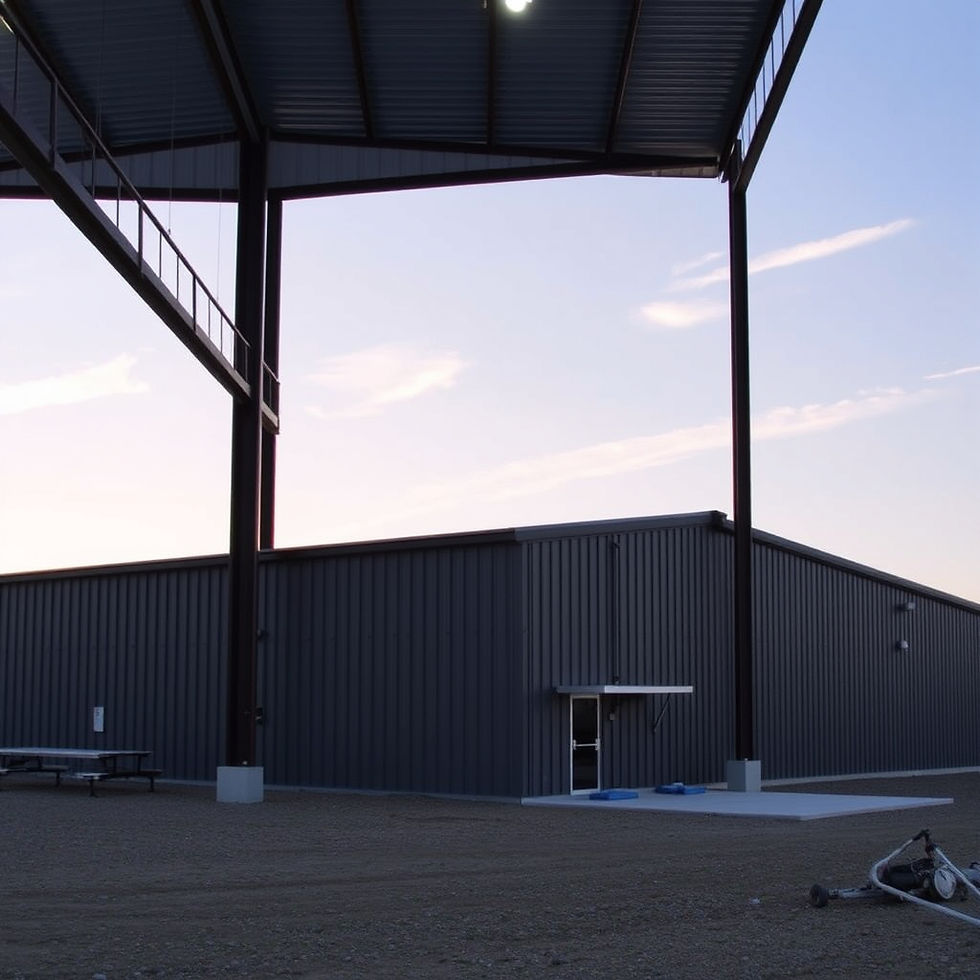
Are you considering a new commercial facility and wondering whether metal building construction is the right direction? Or have you already decided on metal but want to ensure the planning process goes smoothly?
Metal buildings have become the structure of choice for a wide range of commercial, industrial, and agricultural applications, and the businesses investing in them are doing so for specific, well-founded reasons. Here's why the investment makes sense, followed by five planning tips that make the difference between a smooth project and a difficult one.
Why Metal Buildings Make Commercial Sense
The case for metal building construction in commercial and industrial contexts rests on several consistent advantages that businesses evaluate when making facility decisions.
● Speed of construction — metal building systems are engineered and fabricated off-site, which dramatically compresses on-site construction timelines compared to conventional construction. For businesses with operational deadlines, this speed advantage is often decisive.
● Cost efficiency — lower material waste, faster construction timelines, and reduced labour requirements typically produce lower total project costs than equivalent conventional builds. The cost predictability of engineered systems also reduces budget overruns.
● Structural performance — properly engineered metal buildings provide exceptional strength-to-weight ratios, resistance to wind and snow loads, and long service lives that reduce maintenance costs over the building's operational life.
● Design flexibility — modern metal building systems accommodate a wide range of clear-span configurations, heights, and aesthetic options that serve commercial needs without the limitations that early metal buildings imposed.
● Energy performance — with appropriate insulation systems, metal buildings achieve excellent energy efficiency that reduces operational costs throughout the building's life.
5 Planning Tips That Make The Difference
Careful planning early in a metal building project has a major impact on long-term cost, efficiency, and construction quality. The right decisions during the planning stage help prevent delays, reduce unexpected issues, and create a smoother building process from start to finish.
1. Choose a Contractor With Manufacturer Relationships
The quality of a metal building project depends heavily on the relationship between the contractor and the building system manufacturer. Approved builder programmes, such as the Butler Builder network, create stronger accountability, technical consistency, and installation standards than independent procurement alone.
An approved builder has demonstrated experience with that manufacturer’s systems, has access to engineering support, and follows installation practices backed by the manufacturer itself.
For businesses planning metal building construction in the Kansas City area, working with an approved Butler Builder like MAR Building Solutions provides access to Butler Manufacturing’s engineered systems and the technical support required for more complex commercial projects.
2. Invest in Site and Geotechnical Assessment Early
The foundation system for a metal building must be designed around the actual soil conditions of the site, and those conditions can vary significantly even within the same region. Conducting geotechnical assessment early helps avoid expensive surprises later in the project.
● Supports accurate foundation design
● Helps prevent costly redesigns during construction
● Reduces the risk of future foundation issues
● Improves construction scheduling and budgeting
Site evaluation is far more effective during planning than after construction has already started. Early assessment helps identify potential problems before they become delays or major expenses.
3. Define Occupancy Requirements Before Finalising the Design
Metal building systems offer a high level of flexibility, but many of the decisions that affect long-term functionality need to be made early in the planning process. Requirements tied to how the building will actually be used should be clearly defined before structural engineering is finalised. For suppliers and service providers working with architecture firms, an architecture industry email list can help identify the right firms and decision-makers during the early planning and design stages.
● Clear-span and interior space requirements
● Door locations and access points
● Utility and service penetration planning
● Future expansion considerations
● Occupancy-specific load and usage needs
Making changes after engineering is complete often leads to redesign costs and project delays. Involving the contractor during the design phase helps ensure the building system is planned around practical construction realities from the start.
4. Plan the Building Envelope for Long-Term Performance
The building envelope, roof, walls, insulation, and weatherproofing systems, determines the building's energy performance, moisture management, and long-term maintenance requirements. These decisions made at the planning stage have consequences across the building's entire service life.
Key envelope planning considerations for commercial metal buildings:
● Insulation specification — thermal performance requirements should be modelled for the specific climate zone and occupancy type
● Vapour management — condensation control within the envelope is essential in both hot-humid and cold climates
● Roof system selection — standing seam, through-fastened, and other roofing systems have different performance profiles and maintenance requirements
● Wall panel selection — aesthetic, thermal, and durability requirements vary
significantly between occupancy types
Getting these decisions right at the planning stage is significantly more effective than attempting to upgrade envelope performance after construction.
5. Understand Permitting and Code Requirements Early
Commercial metal building projects must comply with local building codes, zoning regulations, and permitting requirements, which can vary significantly by jurisdiction. Addressing these requirements early in the planning process helps prevent delays, redesigns, and unexpected costs later on.
Code requirements can affect structural specifications, fire protection systems, accessibility standards, and overall building layout. An experienced local contractor brings practical knowledge of the approval process, helping projects move through permitting more efficiently and reducing delays caused by unfamiliarity with local regulations.
Final Thoughts
Metal building construction offers compelling advantages for commercial and industrial facilities, in cost, speed, performance, and long-term value.
The businesses that realise those advantages most fully are the ones that plan carefully: choosing contractors with manufacturer relationships, investing in site assessment early, defining requirements completely before design, specifying the envelope for long-term performance, and understanding permitting requirements from the outset. Get the planning right, and the construction follows efficiently. Get it wrong, and the building system's advantages are undermined by avoidable problems.


Comments